Direct answer: Before ordering a new vehicle version, ask the receiving workshop to demonstrate how it will identify a fault, confirm the correct part and arrange the repair. A warranty document alone does not show how quickly a taxi can return to work.
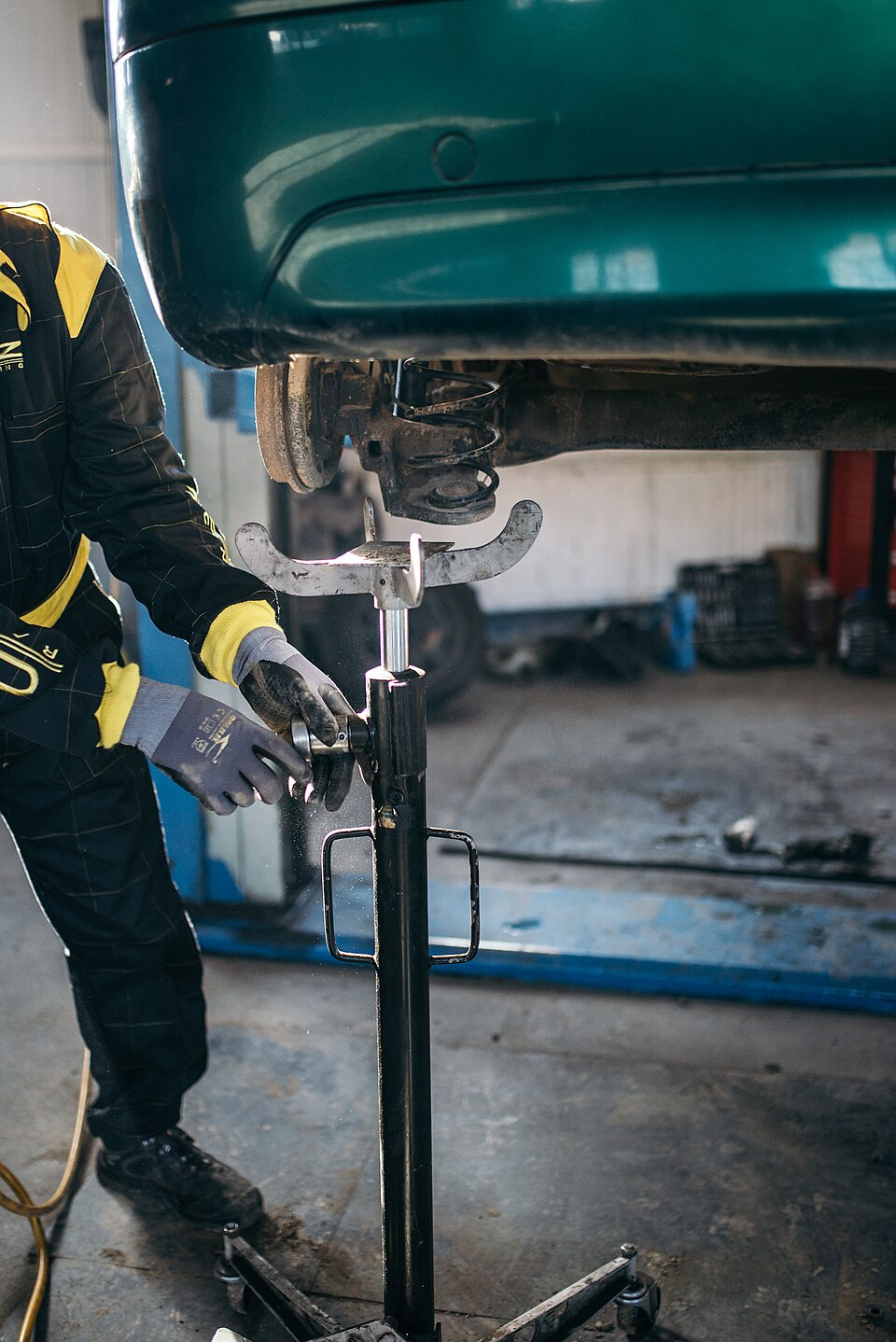
Put one repair request through the system
Choose the exact version you intend to buy. Ask the service team to work through a sample fault: who receives the report, what evidence is needed, who confirms the part number, who can diagnose it locally and who approves the cost? This is a desk exercise, not a request to create a fault or attempt unsafe repairs.
Use a simple record: vehicle version → symptom and diagnostic evidence → confirmed part number → supply route → responsible workshop → expected return-to-service date. Leave unconfirmed dates open. An available workshop and an available part are separate checks.
Ask for three pieces of evidence
- Part match: a catalogue reference or written compatibility confirmation for the exact powertrain and version. A similar-looking part or shared model name is not enough.
- Diagnostic access: confirmation from the receiving workshop that it has the required equipment, software access and competence for the intended work. High-voltage work needs appropriately trained personnel.
- Replenishment route: where the part is held, the quoted lead time, freight assumptions and an owner for urgent requests. Confirm these for the order; do not assume every item is locally stocked.
Make downtime visible in the buying comparison
Illustrative arithmetic only: 2 vehicles unavailable for 3 days each means 6 vehicle-days unavailable. In a 20-vehicle fleet planned to work for 30 days, that is 6 ÷ 600 = 1% of planned vehicle-days. This is not a Tormays customer result, failure forecast or savings claim. It excludes partial-day effects, spare vehicles and revenue differences.
Use your own assumptions to compare a lower purchase price with the practical consequences of a repair delay. Do not convert an unconfirmed parts lead time into a guaranteed uptime figure.
Before approving the order
Have the fleet manager and receiving workshop sign off the exact version, diagnostic route, initial parts list, warranty exclusions and escalation contacts. Set the acceptance threshold before reviewing the exercise. If a critical input is missing, keep it as an open buying condition rather than calling the repair plan ready.
Tormays can support spare-parts planning and remote after-sales coordination within an agreed project scope. Local workshop coverage, part availability, warranty terms and response times must be confirmed for the specific destination and vehicle.
Related practical guides
Plan the opening parts list · Record a first-vehicle pilot · Send the vehicle version and destination for a scope discussion
This is a procurement planning checklist, not a repair instruction, legal requirement or promise of service coverage. Both photographs are independent references with source and licence links above.